The Path of Least Resistance: Stop Forcing It!
So many people (a large number in the fitness industry) believe change requires force.
Push harder.
Try harder.
Be more disciplined.
Have more willpower.
But what if the reason change feels so difficult isn’t because you’re doing too little. What if it’s because you’re forcing the wrong approach?
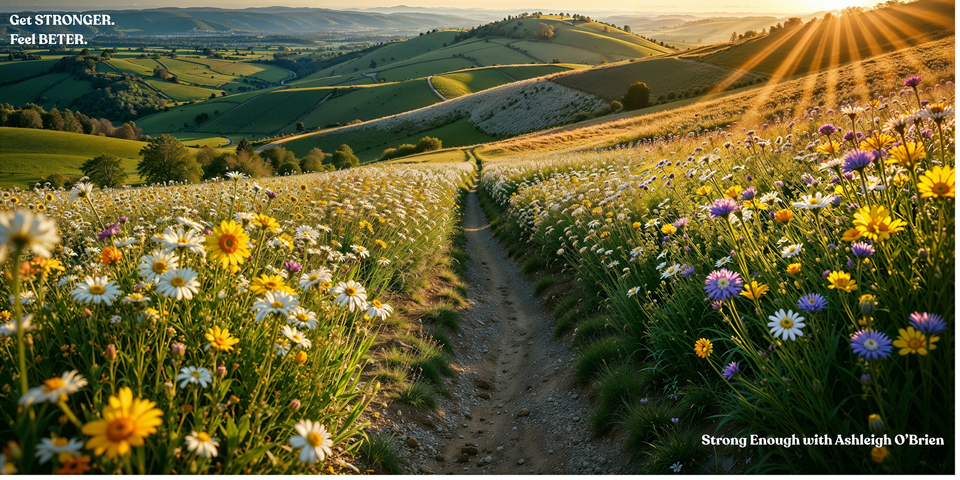
Finding the path of least resistance is one of the most powerful ways to create sustainable health, fitness, and wellness.
AND it works because you can respect your nervous system, your energy, and your real real life while you create the change you want.
Why Forcing Change Usually Fails
Force can work in the short term but it rarely works for lifetime wellness.
When you force change, you often:
- Burn out
- Lose motivation
- Feel overwhelmed
- Trigger stress responses
- Create all-or-nothing thinking
- Associate exercise with pressure
- Quit when life gets hard
Your nervous system doesn’t respond well to force. It responds well to feeling safe, free, and change is gradual.
What Is the Path of Least Resistance?
The path of least resistance means making change easier instead of harder.
It means:
- Starting smaller:
- Reduces resistance and overwhelm
- Reduce Friction:
- Brain storm what change would fit the easiest right now, without push back from work, family, the voice in your head, etc.
- Set reachable timeframes:
- When you give yourself the time it takes to make sustainable change, your internal walls come down.
- Build momentum:
- Doing something small, repeatedly and successfully builds confidence and even excitement to continue.
- Choose habits that are easy to repeat:
- If you don't exercise at all and then try to force a 5 day/week workout routine, you won't find it easy to repeat.
- What if, instead, you commit to 10 minutes a day? That's 50 more minutes/week than you've been doing. It's easy to approach and repeat and it's something you can grow later.
- Working with your energy:
- Many of us try to force workouts, meal prep, etc. into our already busy schedules, often sacrificing much needed down time and sleep.
- Instead, try to add things during the times when you have the most energy and you can protect your down time and sleep.
- Example: 10 minute walk or strength session during lunch, instead of first thing in the morning or last thing in the day.
- Support your mental health:
- Exercise and eating well can significantly improve mental health BUT if trying to change too much at once increases anxiety, feelings of failure or not good enough and increases stress: It's going to back fire.
- Add small, repeatable changes a little at a time.
- Creating sustainable routines:
- Use 2 habit change principles that make it easier to stick with it long term:
- Add or connect your new habit to one that already exists.
- Example: If I already get up at 6:15am and first thing I do is feed my cats, I can add to that directly after, changing into my workout clothes.
- Stack them.
- Example: Once it feels easy and part of my day to change into my workout clothes, I add doing 5 minutes of walking or body weight strength movements.
- Add or connect your new habit to one that already exists.
- Use 2 habit change principles that make it easier to stick with it long term:
It’s about being strategic.
Small, consistent actions create far more long-term fitness and wellness results than intense bursts of motivation.
These small shifts reduce resistance and increase self confidence, self belief and follow-through.
Momentum Builds Lifetime Wellness
The goal isn’t perfection. The goal is sustaining momentum.
When something is easy to start, you’re more likely to:
- Stay consistent
- Build confidence
- Increase motivation naturally
- Improve mental wellness
- Develop fitness habits
- Reduce stress around exercise
- Create long-term health change
Momentum is what turns small actions into life long change.
The Bottom Line
You don’t need more discipline.
You need less resistance.
When you stop forcing change and start working with your energy, your nervous system, and your real life, fitness and wellness change becomes sustainable.
Small steps.
Low pressure.
Real change.
The path of least resistance isn’t the easy way out.
It’s the way that actually lasts.
I wish you all the best on your journey!
Sincerely,
Ashleigh
P.S. If you want support along the way, check out my Wellness Community and Book Clubs.
 Ashleigh O’Brien